College basketball got harder for a high school player to crack. The jumper gets you in the gym. The transcript is what keeps the coach in the conversation.
Jonathan Hemingway
Sep 17, 2026

PLAYERS FEATURED


OTR HOOPS: Grades Highlight the Game
The path from high school to college basketball is as competitive as it has ever been. Travel basketball continues to grow and offers extensive opportunities for exposure and competition. There is still a bright horizon for many players, but the world of grassroots basketball is crowded.
College coaches have adjusted their strategies due to the changing landscape of recruiting and eligibility. New rules at the top two divisions make rosters older and harder for a high school prospect to crack. Looser transfer rules send players looking for minutes wherever they can find them. Families walking into this mix have a hard time telling a good opportunity from a long shot.
There is still a part of college basketball that treats high school players as the main recruiting target. High academic programs, many of them in Division III, often spend most of their recruiting energy on kids they want on their roster for four years.
The best way to get in front of those coaches is to make sure the grades are equal to or better than the performance on the floor. One of the surest ways to draw interest from a college coach after they see your jumper is to have a strong transcript.
The Evidence
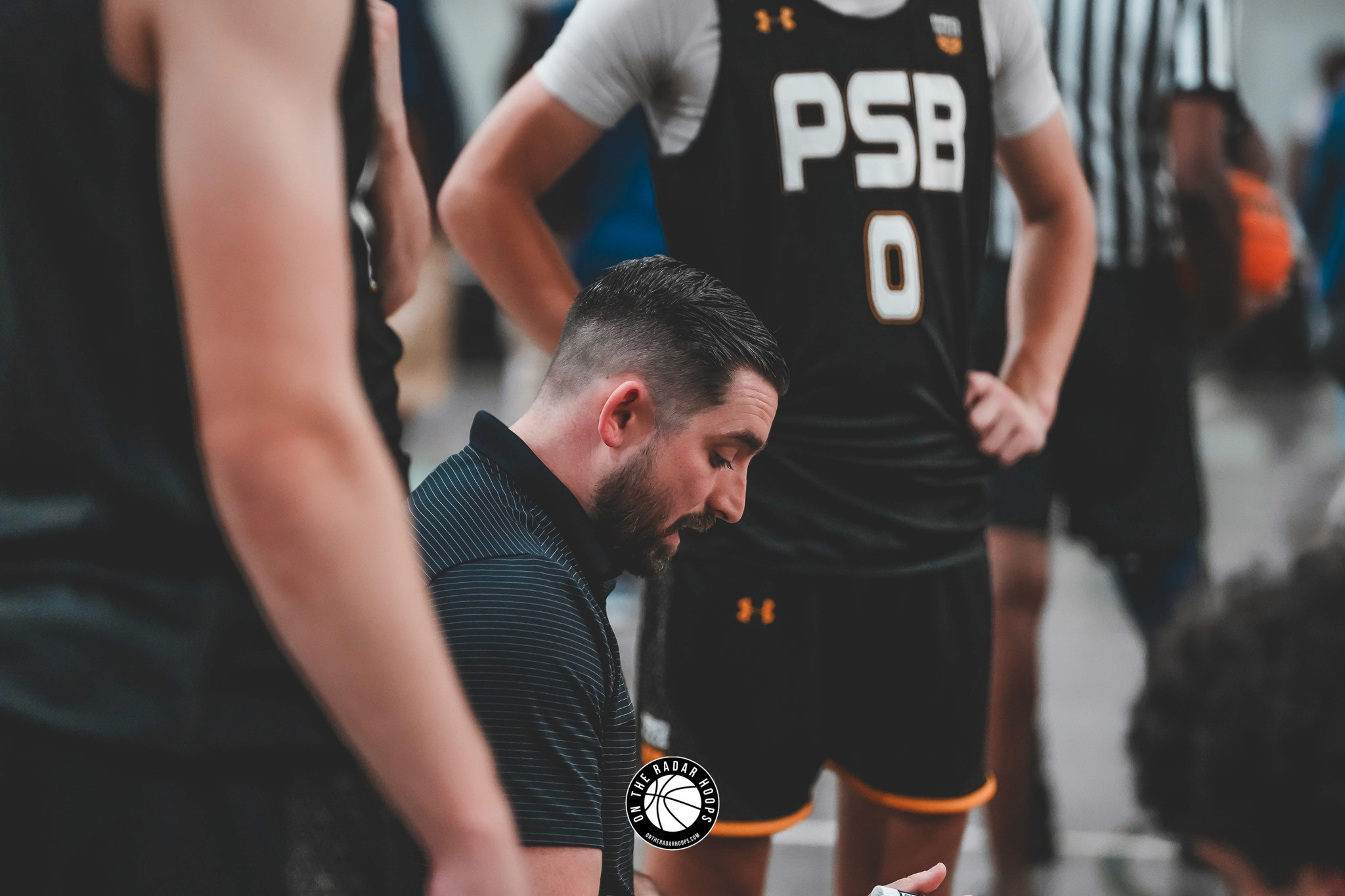
Early results from the OTR Circuit have demonstrated this fact. In the weeks after the live period, players from five travel programs received offers from Division III schools.
There are a few talented players on the same circuit who are still waiting, because they do not project as academic qualifiers at those schools. Colin Robbie, who coaches PSB Tampa, put it this way: “Offers are not always about talent. Fit matters. The process rewards the kids who get it done in the classroom.”

What Those Coaches Want to See
Robbie says the working floor for most of the academic programs he deals with is a 3.5 unweighted GPA. The desired test score varies. Some schools are test optional. The more selective ones still want to see a high number. On Robbie’s scale, a 1200 SAT is a baseline, 1350 is very good, and 1400-plus is what the most selective admission departments want to see. ACT scores in the 30s live in that same conversation.
Even the phrase “high academic” has levels. Robbie grouped MIT, Carnegie Mellon, Emory in Atlanta, and Washington University in St. Louis among the most selective programs he deals with. Berry, Sewanee, and Oglethorpe University are rigorous campuses with more reachable admission qualifications. All of them compete at the NCAA Division III level.
The consensus among coaches and players is that the D-III level produces high-level, competitive basketball. To shine at these levels, talent and competitiveness on the court are still a prerequisite.
Classroom work, Robbie said, is often the separator between a kid getting an offer and a kid waiting on one. It is what makes a player marketable to those coaching staffs.
Who They Still Recruit
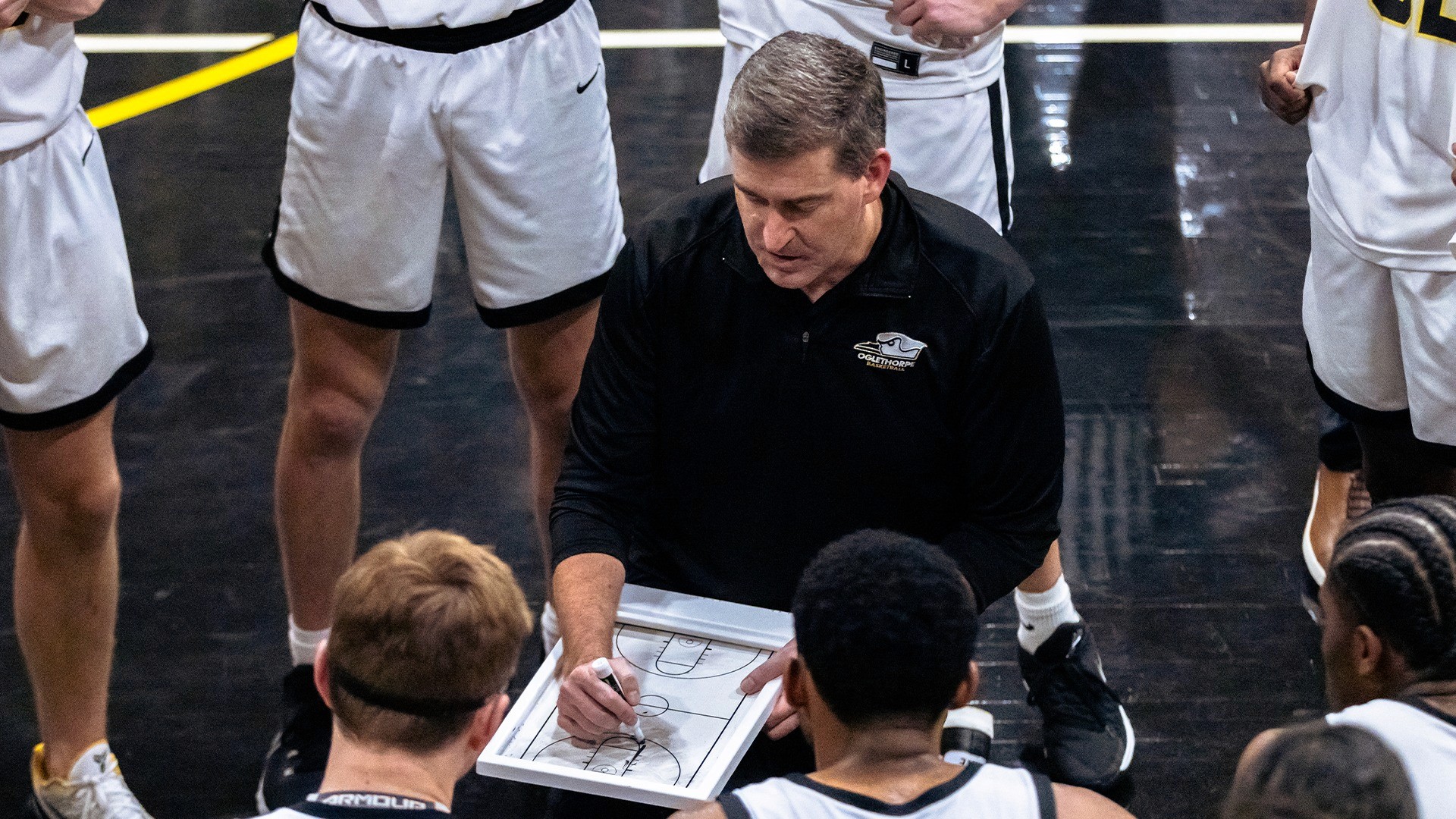
Division III is also a place where continuity still matters. Rosters do not turn over in a year as rapidly as those at the D-I or the D-II level. Philip Ponder, the head coach at Oglethorpe University, spoke with OTR at the SHR Fall Showcase earlier this month. He said his program has taken a few transfers in recent years. Some players arrive after deciding they want a different college experience and a clearer path to finishing a degree.
Robbie sees the same split from the travel basketball side. Some high academic staffs barely touch the portal, he said, because the academic fit is too hard to piece together after the fact. The portal has reached every level, but it has not swallowed Division III in the same way it has with D-I or D-II schools. That is part of the reason why Robbie calls D-III “the purest form of basketball.”
There is a tension in taking a transfer for a year or two. Ultimately, winning games is the goal and if the academic boxes can be checked, Ponder says that his school can generally accommodate that player.
When asked where most of his recruiting time goes, he said the focus remains on high school players. However, he was quick to point out that the first thing they research in a prospect is their GPA.
Ponder explained, “We have a little bit of wiggle room with a grade point average around a 3.5. But anything below a 3.0 will not work at our school.”
A Typical Week on Campus
Ponder does not describe a softer game at the D-III level. The competition is there, but the day-to-day schedule looks different for his program.
“At the D3 level, you still have extremely competitive basketball and extremely talented players, but the student athletes have more time to be students,” Ponder said. “D1 goes almost year-round and D2 close to it, but D3 has rules that allow players more time for their academics, internships, and other social activities, and they have a more well-rounded overall college experience.”
He also observed his players doing better in the classroom during the season than outside of it. He said that their schedule forces them to budget time.
Living the High Academic Life
Ishaan Bhadouria is living the life of both student and athlete right now. He came through PSB Tampa under Coach Robbie, out of Tampa and Carrollwood Day School, and is entering his senior year at Washington and Lee with the Generals. His major is neuroscience and his minor is entrepreneurship. Shoulder injuries and surgeries cost him a large share of his college seasons, but that has not changed his feelings on the path he chose.
“Being at a high academic institution has allowed me to continue being a student-athlete and pursue the sport I love while also experiencing all aspects of college with academics, internships, friendships, and opportunities outside of basketball,” Bhadouria said. “Now I’m back healthy and super excited for all the things I’ll get to experience hoops wise for my senior year too.”
He sees work ahead that mixes healthcare, business, and analytics. Asked why he keeps playing if that future is already in view, he said, “If anything I think that’s exactly the best point. You can really embrace the last practices, the last games, the last feeling, as you will not be able to do this forever. You’ll be able to spend time working academically for the rest of your life, but your body can only play basketball for so long.”
The Question for the Next Group
Chris Goodrum, the COO of Pro Skills Basketball, has spent years helping families sort college fits. He starts with a different question. Too many players, he said, only ask, “What’s the highest level I can play?”
Goodrum, who also manages recruitment for players with PSB Charlotte, added, “I’d rather see them ask, ‘What’s the best opportunity I can create for myself over the next four years and the 40 years after that?’”
He continued, “For a high academic basketball player, the biggest advantage is that you don’t have to make the decision solely about basketball. You’ve earned options. Basketball can help open the door, but now you can evaluate everything that comes with walking through it. The education, the relationships, the network, the basketball experience, and what that school can mean for your life after the ball stops bouncing.”
If you are a freshman or a sophomore, keep an eye on the gradebook percentages as much as you track your 3-point percentage. Getting a chance to play at the college level can only be aided by how well you do in the classroom.
Read the official record of On the Radar Hoops: OTR Chronicles
Become a Subscriber: HERE
Written, edited, and formatted for web by the author:
Jonathan Hemingway is a senior writer for On the Radar Hoops. He has covered basketball for the site since 2013 and has been involved in the game since 1995 as a coach, camp director, and evaluator. Reach him at CoachHemi@gmail.com or follow @CoachHemi on X and @Coach_Hemi on Instagram.

Want to read the full story?
Join the On The Radar Hoops Insider program for complete coverage, recruiting updates, and player evaluations.